
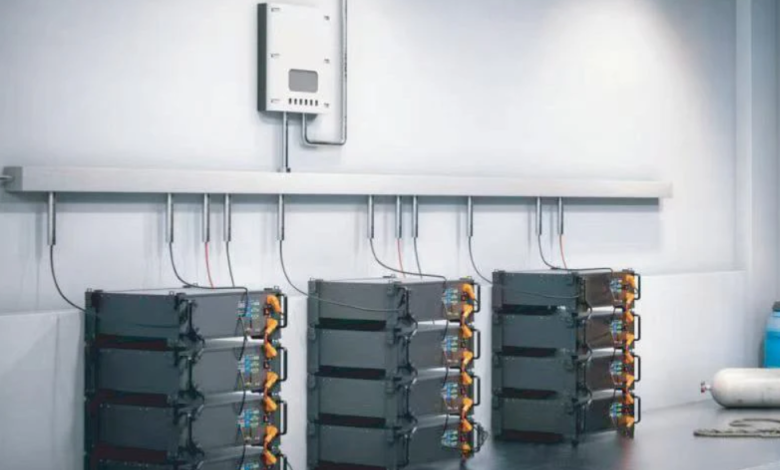
In today’s fast-paced world, the demand for uninterrupted energy supply is more critical than ever. From hospitals and data centers to industrial operations and residential needs, a reliable power source is essential to maintain seamless operations. This is where an uninterrupted power system (UPS) plays a pivotal role, ensuring that devices and critical systems remain functional even during unexpected power failures.
What is an Uninterrupted Power System?
An uninterrupted power system is an electrical device that provides emergency power to a load when the main power source fails. Unlike standard backup generators, a UPS offers immediate, short-term power continuity, protecting electronic devices from sudden power surges, voltage fluctuations, and blackouts. Its primary purpose is to prevent data loss, equipment damage, and operational downtime.
See also: 5 Important Home Installations To Consider After You Experience Fire Breakout
Components of an Uninterrupted Power System
A typical UPS consists of three main components:
- Rectifier/Charger: Converts incoming AC power into DC to charge the battery.
- Battery: Stores energy to supply power when the main source is unavailable.
- Inverter: Converts stored DC power back to AC to keep connected devices running.
Some advanced UPS systems also include features like surge protection, voltage regulation, and remote monitoring capabilities.
Types of Uninterrupted Power Systems
There are three primary types of UPS systems, each suited for different requirements:
- Offline/Standby UPS:
- Activates only when a power failure occurs.
- Suitable for home or small office setups.
- Cost-effective but slower in response compared to other types.
- Activates only when a power failure occurs.
- Line-Interactive UPS:
- Continuously monitors voltage fluctuations and adjusts output.
- Ideal for small to medium-sized businesses with moderate power stability needs.
- Continuously monitors voltage fluctuations and adjusts output.
- Online/Double-Conversion UPS:
- Provides continuous power by converting AC to DC and back to AC.
- Offers the highest protection against outages and power irregularities.
- Commonly used in data centers, hospitals, and critical industrial applications.
- Provides continuous power by converting AC to DC and back to AC.
Benefits of an Uninterrupted Power System
Investing in a UPS offers numerous advantages:
- Continuous Operation: Ensures that essential devices remain operational during blackouts.
- Data Protection: Prevents data loss and corruption in computers, servers, and storage systems.
- Equipment Safety: Shields sensitive electronics from voltage spikes, surges, and power instability.
- Reduced Downtime: Minimizes operational disruption in businesses and critical services.
- Cost Efficiency: Avoids costly equipment repairs and data recovery expenses.
Applications of Uninterrupted Power Systems
The versatility of a UPS makes it applicable across various sectors:
- Healthcare: Keeps life-saving medical equipment running during power outages.
- IT and Data Centers: Protects servers and network infrastructure from sudden shutdowns.
- Industrial Operations: Maintains machinery and control systems without interruption.
- Home Use: Provides backup power for computers, home theaters, and essential appliances.
Maintenance Tips for UPS Systems
To ensure optimal performance, regular maintenance of a UPS is essential:
- Battery Inspection: Check for signs of wear or leakage and replace batteries periodically.
- Load Testing: Simulate power outages to confirm the UPS can handle the connected load.
- Clean Environment: Keep the UPS free from dust and moisture to prevent overheating.
- Firmware Updates: Ensure the UPS software is up-to-date for better monitoring and control.
FAQs About Uninterrupted Power Systems
Q1: How long can a UPS provide power during an outage?
A UPS provides temporary power, typically ranging from a few minutes to an hour, depending on its capacity and the load connected.
Q2: Can a UPS replace a generator?
No, a UPS is designed for short-term power continuity, while a generator provides long-term backup during extended outages.
Q3: What devices need a UPS the most?
Critical devices such as servers, computers, medical equipment, security systems, and industrial machinery benefit the most from a UPS.
Q4: How do I choose the right UPS capacity?
Consider the total wattage of devices to be powered and the desired backup duration. It’s better to select a UPS with a slightly higher capacity than your calculated need.
Q5: How often should UPS batteries be replaced?
Typically, UPS batteries last 3–5 years. Regular checks can help identify when replacements are necessary.
Conclusion
An uninterrupted power system is no longer a luxury; it is a necessity in both professional and residential environments. By providing continuous power, safeguarding sensitive equipment, and reducing operational downtime, a UPS ensures peace of mind and operational efficiency. Whether for a small office, industrial plant, or healthcare facility, investing in a reliable UPS is a smart decision that guarantees uninterrupted productivity in an unpredictable power landscape.